

During this phase of the season, teams occasionally face accusations that their players have mentally checked out, often labeled as being ‘on the beach’—a situation no manager wants to hear. But honestly, maintaining motivation can be a real struggle when you’re coaching a mid-table side that feels it has nothing left to fight for.
Clubs typically hand out bonuses for avoiding relegation, and I’ve been in situations where reaching 40 points guaranteed safety. Once those extra payments were secured, results often slipped. For a manager, however, the pressure never lets up. The Premier League awards prize money based on final position, with millions of pounds separating, say, eighth from 12th. So the club always wants to finish as high as possible—even if that means mid-table. That extra cash could boost next season’s transfer budget, or at least cover some bills.
Players don’t see it that way. As a manager, it’s incredibly difficult to sustain the relentless focus you’ve demanded for nine months, especially when the edge that comes from a clear target disappears. Offering a financial incentive is probably the only solution. Premier League players earn huge basic wages, but at times like this, you’d rather reduce that base pay and replace it with bonuses tied to wins, appearances and finishing position, right through the final game of the season.
Another hot topic right now, especially for fans relying on results elsewhere, is managers prioritizing certain matches over others. Aston Villa boss Unai Emery made seven changes for his Premier League clash with Tottenham, leading to accusations that he was focusing on the Europa League tie against Nottingham Forest rather than fielding his strongest side at Spurs. Whatever Emery’s thinking, this isn’t new. Look at Manchester United and Tottenham last season, both prioritizing the Europa League while having little to play for domestically.
I definitely prioritized games myself, for different reasons. In Stoke’s early Premier League years, I put top-flight survival ahead of cup competitions. It wasn’t popular with some fans, but over time—as we established ourselves—I grew more confident in taking risks with team selection. One example: we faced Valencia in the Europa League knockout stages. I made many changes for the away leg after losing the home leg 1-0, and got heavily criticized. We lost 1-0 in Spain too, and I admit it was a big mistake—I should’ve picked that team for the home game, because they played much better.
In the past, Blackpool and Wolves were fined by the Premier League for making multiple changes when Ian Holloway and Mick McCarthy were in charge, fielding several squad players in matches that affected other teams. But that rule changed in 2010—now you can pick any player from your nominated 25-man squad without penalty. So Villa and Emery won’t face any backlash from the league this time. Whether unhappy West Ham fans will be as forgiving is another matter entirely.
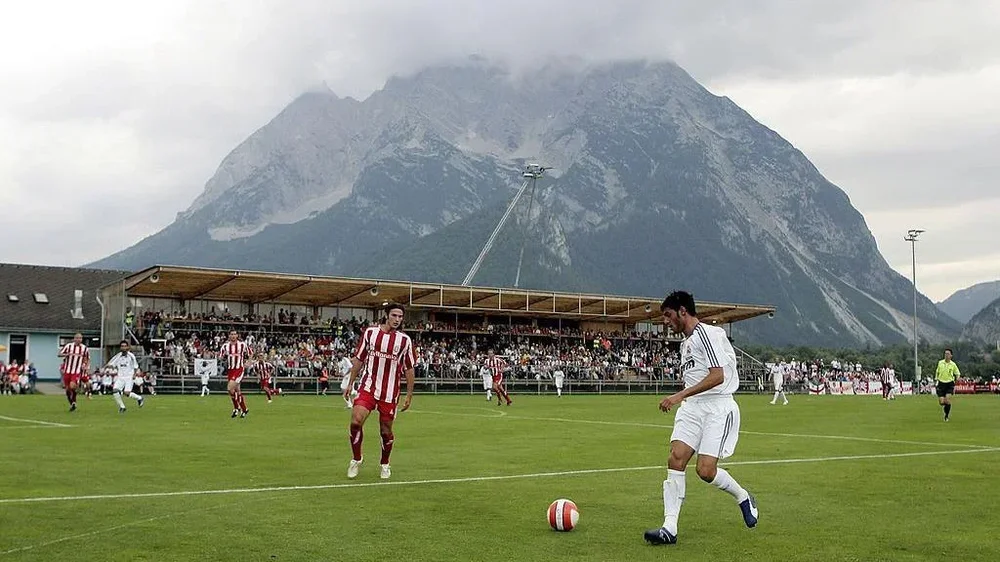
Image source: Getty Images
Image caption: Goals from Raul and Roberto Soldado in each half left Stoke with a mountain to climb against Real Madrid.