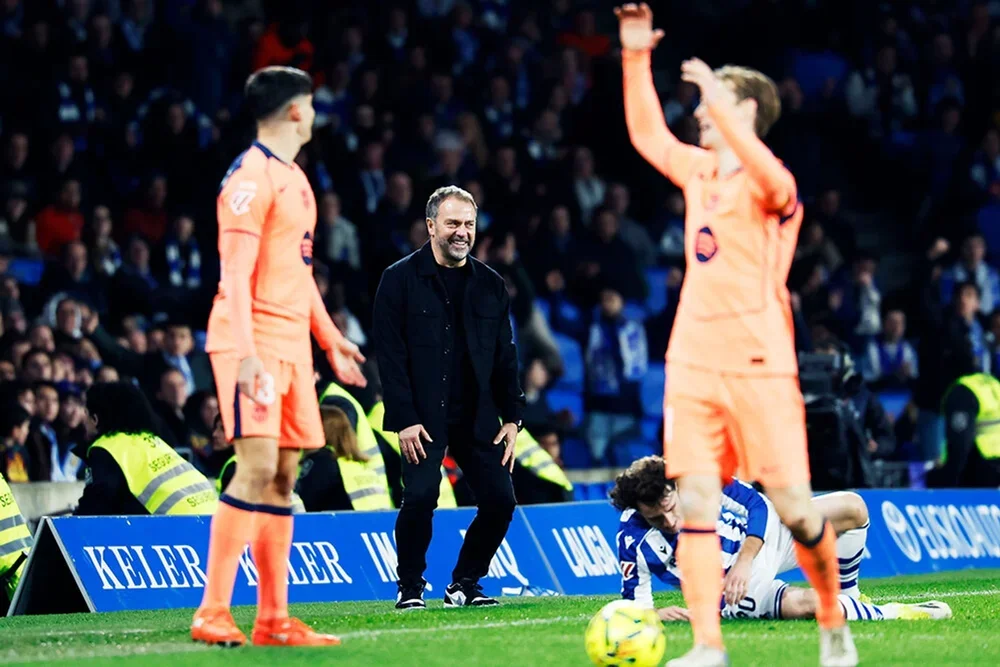

It’s remarkable how little attention is given to the way Hansi Flick has shaped the entire Spanish top flight. While Barcelona clinched a second consecutive La Liga title, there’s a deeper narrative unfolding across the league — one of adaptation, imitation, and a quiet tactical revolution.
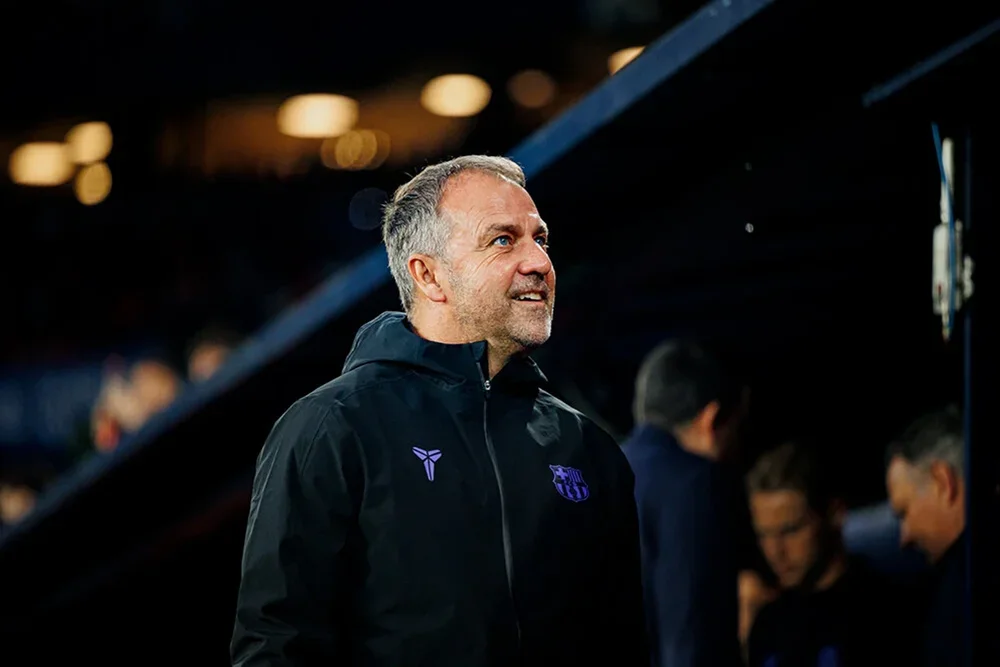
Flick has already changed La Liga. Teams aren’t just adjusting to his methods; they are actively adopting them. Over the past two years, his influence has become undeniable.
Take Real Sociedad, for instance. Inspired by Barcelona’s success, they appointed Pellegrino Matarazzo — a product of the German coaching school and a proponent of aggressive pressing. He quickly won a trophy and seamlessly integrated high-intensity principles into an already established pressing system, altering defensive assignments and zone coverage. Inside the club, it’s joked that an AI twice advised against hiring Matarazzo, but a deep dive into the data changed everything. He fit the project from day one.
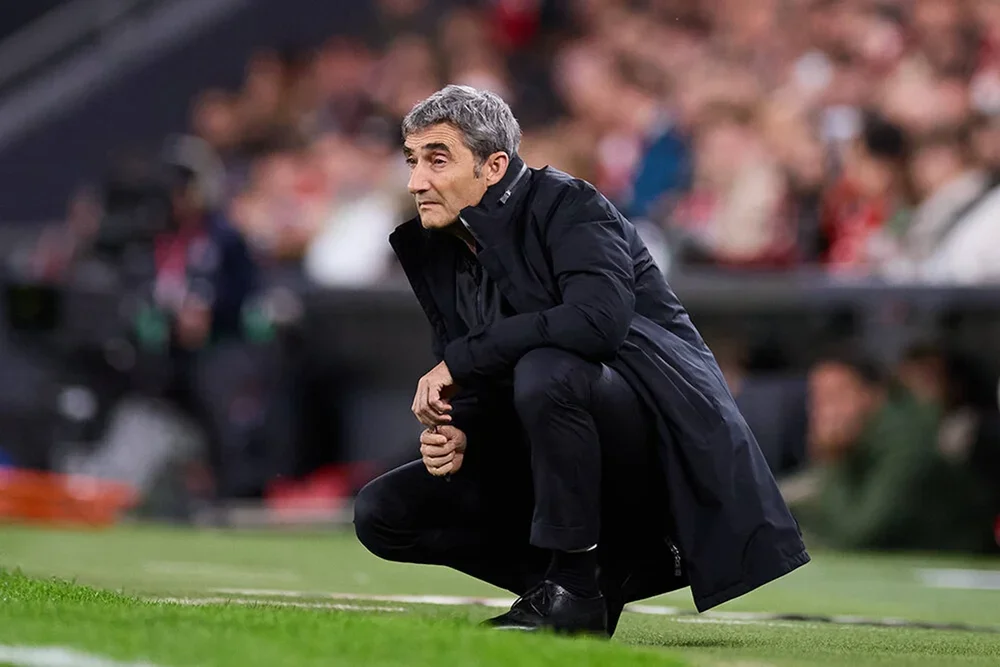
This season, Athletic Club has borrowed heavily from Flick’s playbook. Ernesto Valverde pushed his defensive line higher and began using the offside trap more aggressively. As a result, Athletic now trails only Barcelona in forcing opponents offside per game — though for them, it’s been a mixed blessing in a tough year. Yet the trend is clear.
And even as Valverde departs, his replacement is Edin Terzić — yet another German coach arriving in La Liga. Terzić’s style differs, but the fact that the club is looking to Germany again is no coincidence. That’s Flick’s influence. In fact, the former Dortmund coach reportedly consulted with Flick and Jupp Heynckes — who knows Athletic’s culture — before moving.
The mini examples pile up:
- Sevilla started the season with Matías Almeyda, a pressing-and-intensity obsessive.
- Mallorca brought in Martín Demichelis, who began his coaching career at Bayern Munich and knows Flick.
- Elche is coached by Eder Sarabia, a disciple of Quique Setién with Barça experience, who openly admires Hansi.
Flick is setting the pressing trend.
Villarreal, for example, dismissed pragmatist Marcelino — despite two consecutive Champions League qualifications — and appointed Iñigo Pérez from Rayo Vallecano, an ideological heir to Andoni Iraola. Rayo is second in La Liga for pressing, just behind Barcelona. Inside Villarreal, the belief is that the future belongs to “open, pressing teams.”
Marca has labeled this the “Flick effect,” comparing it to Diego Simeone’s influence in the mid-2010s, when half the league played a compact 4-4-2. Flick is the first coach in years to force a stylistic shift across the competition. Celta’s coach, Claudio Giráldez, described it well: “Barcelona play differently. You have to prepare for them intensely. In analysis, there’s always a detail you want to copy.”
Barcelona has proven that Flick’s system works even under constraints. That makes it easier to attract followers. Real Sociedad was the first successful example of “Germanization,” and others are taking notes. Flick has definitely reshaped La Liga — and that might be just as impressive as the back-to-back titles.
On the flip side, opponents who don’t want to press are now approaching matches against Flick’s disciples differently. “Teams in La Liga have movements honed over years — almost automatic. Then suddenly Barcelona appears,” admitted Osasuna’s Alessio Lisci. “They defend completely differently, making it hard to automate our own patterns in such a short time. All coaches are adapting.”
The truth is, La Liga is learning how to play against Barcelona. The secret? Embrace Flick’s tempo and counterpress high. The recipe to beat Flick is to play like Flick.
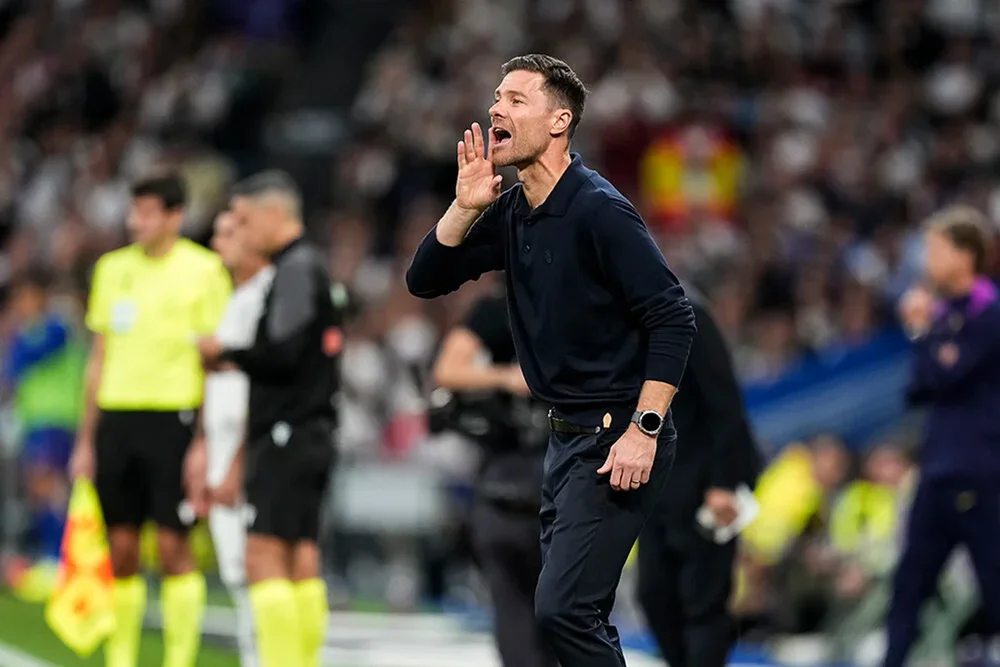
Only a few have managed it. Rayo Vallecano and an early-season Sevilla sustained the pace and pressed masterfully. Xabi Alonso won the first Clásico in part by adapting to Flick